Complete Mold Remediation Solutions: Eradicate Dangers and Reinstate Safety
Mold might create considerable health risks and compromise the safety of any living space. Effective mold remediation services deal with these issues by identifying sources, containing spread, and getting rid of affected materials. Understanding the signs of mold, the dangers it brings, and the remediation process is necessary for homeowners. As the complexities of mold removal develop, it is clear that a preventative approach is essential for long-term safety and well-being. What steps should one take next?
Indicators You Possess a Mold Issue
How can one identify the presence of mold in their environment? Identifying signs of mold is crucial for maintaining a safe space. Visible mold growth, often found on walls, ceilings, and damp areas, is a primary indicator. Discoloration or water stains may also indicate hidden mold behind surfaces. A musty odor can accompany mold presence, even if it is not immediately visible. Additionally, increased humidity levels in a home, especially over 60%, can create a favorable environment for mold development. Other signs include peeling paint or wallpaper and respiratory issues among occupants, which may indicate an underlying mold problem. It is important to remain vigilant, as prompt detection can prevent further growth and complications. Regular inspections, especially in moisture-prone areas like bathrooms and basements, can help guarantee a safe and healthy living environment. Recognizing these signs is the first step in addressing potential mold issues effectively.
Examining the Risks of Mold Exposure
Mold contact poses substantial health dangers that can affect individuals in various ways. Breathing in of mold spores can cause respiratory issues, such as asthma and allergies, particularly in vulnerable groups such as children and the elderly. Symptoms often present with coughing, sneezing, and skin reactions, which can worsen with prolonged exposure.
Various mold species produce mycotoxins, which can have more severe effects, among them neurological symptoms and weakening of the immune system. People with pre-existing conditions may develop intensified health issues, making it imperative to manage mold problems promptly.
Furthermore, the psychological effect of residing in mold-contaminated spaces can lead to tension and worry. Recognizing these dangers highlights the significance of recognizing and addressing mold development to preserve a safe and wholesome home. Knowledge of the risks associated with mold exposure is essential for advancing general health and avoiding lasting health complications.

What to Do When You Discover Mold?
Upon spotting mold in a living space, rapid response is critical to halt further growth and mitigate health risks. The first step involves evaluating the extent of the mold problem. Individuals should look for noticeable mold and any damp areas that may facilitate growth. It is vital to steer clear of touching the mold, as this can emit spores into the air.
The source of moisture must be identified and addressed first, whether it's a water seepage or elevated moisture levels. Ensuring adequate ventilation in the affected area will assist in lowering moisture levels. Personal protective equipment, including gloves and masks, should be employed to decrease exposure during any contact.
If the mold covers a small area, one may be able to eliminate it with correct cleaning solutions. However, for major infestations, obtaining expert aid is advised. Quick and effective measures can markedly reduce health risks associated with mold exposure.
The Mold Elimination Steps Outlined
Effective mold removal demands a systematic approach to ensure complete removal and avoidance of future growth. The procedure typically begins with a comprehensive examination to locate mold origins and assess the degree of contamination. Experts utilize specialized equipment to identify concealed mold and water sources, guaranteeing a complete assessment.
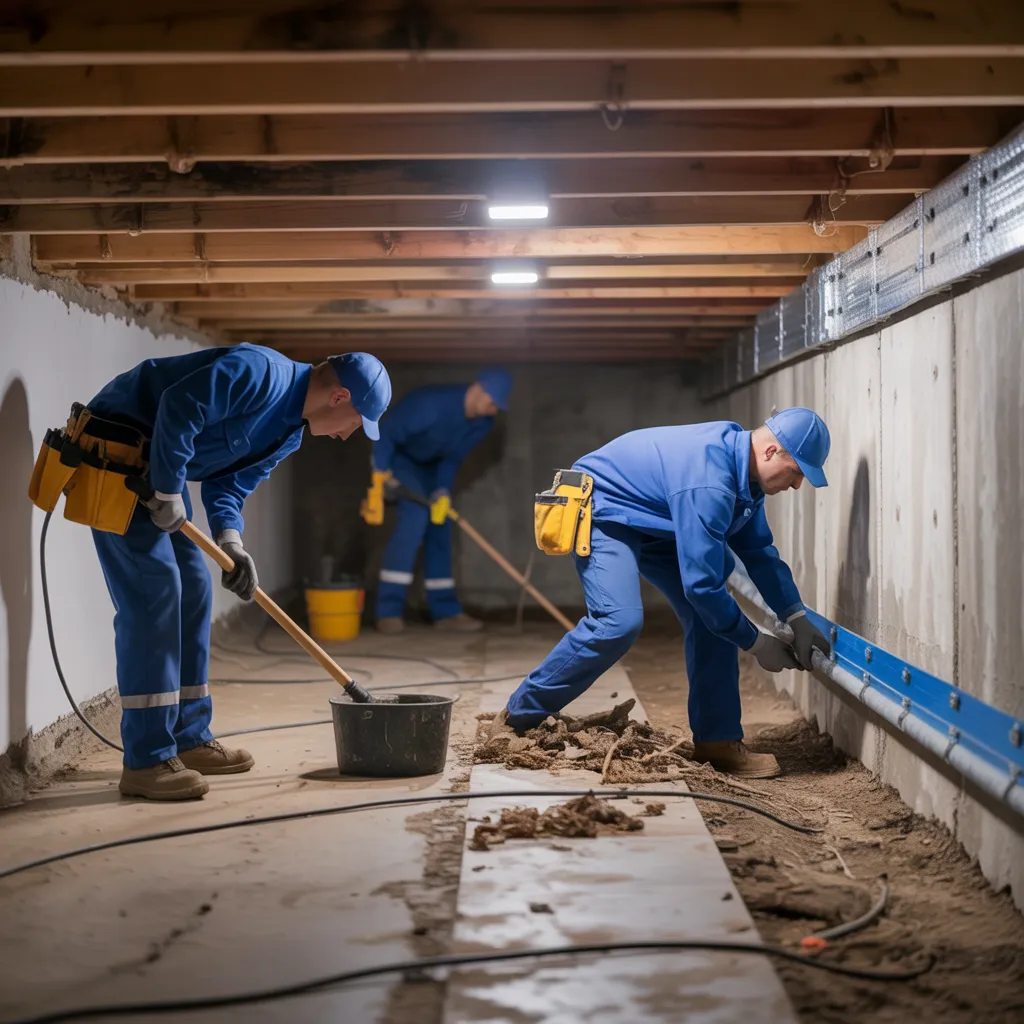
Once identified, containment measures are implemented to reduce the dispersal of spores during removal. The next phase includes the protected elimination of affected materials, such as drywall or insulation, followed by washing and antimicrobial treatment of surfaces.
Following removal, the area is dried thoroughly to remove moisture, which is vital for avoiding future mold growth. Finally, a post-remediation assessment confirms that the mold has been successfully removed and that the environment is safe. This careful procedure not only tackles existing mold issues but also creates safeguards against future infestations, guaranteeing long-term safety in the affected space.
Cutting-edge Mold Removal Methods
Next-generation mold elimination methods are overhauling the recovery industry. Modern detection methods strengthen swift recognition, while nature-based solutions prioritize safety and ecological balance. Additionally, advanced isolation techniques confirm effective isolation of mold, limiting proliferation during the restoration undertaking.
Sophisticated Recognition Methods
Although mold can often thrive in concealed spaces, sophisticated identification techniques have emerged to identify its presence more accurately and efficiently. Methods such as thermal imaging allow professionals to observe thermal differences, indicating moisture buildup where mold may develop. Furthermore, moisture meters assess the humidity levels within walls and ceilings, identifying potential infestations. Air sampling tests can analyze airborne spores, providing vital information on mold levels and varieties present. In addition, fiber optic cameras enable inspections in tight areas, uncovering hidden mold growth without intrusive methods. These innovative techniques improve the evaluation of mold issues, enabling timely and effective treatment measures to protect health and property. By leveraging these sophisticated techniques, mold professionals can ensure a comprehensive strategy to mold identification.
Eco-conscious Strategies
Advanced detection methods have facilitated for more successful mold remediation strategies. In recent years, eco-friendly solutions have emerged as innovative alternatives to traditional mold removal techniques. These sustainable practices prioritize the use of non-toxic, biodegradable agents that thoroughly eliminate mold without creating dangers to human health or the environment. Techniques such as steam cleaning and the application of natural antimicrobials, like tea tree oil and vinegar, have become widely used. Additionally, ozone treatment and ultraviolet light are increasingly employed, providing effective mold eradication while minimizing chemical exposure. As sensitivity about environmental impacts rises, these eco-friendly solutions not only ensure thorough mold removal but also promote safer living spaces, reflecting a commitment to both health and sustainability.
Modern Management Approaches
As mold remediation methods progress, effective isolation strategies have become essential for reducing cross-contamination during the removal procedure. Advanced isolation methods employ physical partitions, such as double-layered plastic barriers, to separate affected areas. Negative pressure systems are applied to ensure that airborne particles do not leak into clean zones, while HEPA filters trap microscopic particles. Additionally, advanced monitoring systems provide immediate assessments of air quality, allowing teams to modify containment measures as needed. These innovative approaches not only enhance protection for occupants but also streamline the remediation process, guaranteeing thorough elimination of mold while decreasing the risk of recurrence. By integrating these cutting-edge isolation techniques, professionals can achieve more efficient and enduring results in mold remediation.
Determining the Best Mold Remediation Provider
How can property owners guarantee they select an effective mold removal company? The process starts with thorough research. Property owners should seek out companies with credentials from recognized organizations, guaranteeing they follow professional guidelines. Reviewing client testimonials and reviews can provide insights into a company's trustworthiness and performance.
It is important to request comprehensive quotes and grasp the methods suggested for restoration. An efficient service will present their approach, including isolation, removal, and testing after remediation. Openness about the substances and equipment used is also critical.
Additionally, homeowners should inquire regarding warranties or guarantees, which can indicate the provider's confidence in their work. In conclusion, verifying insurance coverage safeguards homeowners from potential liabilities during the remediation process. By adhering to these guidelines, property owners can make informed decisions, reducing the risk of selecting an ineffective mold remediation service and guaranteeing a healthier living environment.
Tips for Blocking Mold From Returning
To avoid mold from reappearing, it is necessary to regulate humidity levels, as excessive moisture enables growth. upgrading ventilation systems can enhance air circulation, further decreasing the probability of mold formation. Also, adopting regular inspection practices facilitates early detection and resolution of emerging problems.
Maintain Atmospheric Moisture Levels
Managing moisture content is essential for preventing mold from returning in previously affected areas. Maintaining indoor humidity between 30% and 50% significantly decreases the probability of mold growth. To achieve this, individuals are advised to install dehumidifiers, especially in moist view details areas like basements and bathrooms. Regularly checking moisture content with a hygrometer can provide valuable insights. Additionally, promptly addressing water leaks and moisture penetration is vital; any moisture should be swiftly dried to prevent mold from returning. Homeowners should also think about utilizing moisture-absorbing materials, such as silica gel, in enclosed spaces. By taking control of moisture levels, individuals can establish a space that prevents mold, guaranteeing a safer living space for everyone.
Upgrade Ventilation Systems
Effective air circulation systems are vital in preventing mold recurrence in homes. Proper air movement reduces moisture buildup, a key factor in mold growth. Homeowners should assess existing ventilation, guaranteeing that areas like attics, basements, and bathrooms are adequately ventilated. Installing exhaust fans in high-moisture areas expels damp air, while vents enable fresh air circulation. Additionally, using energy recovery ventilators can maximize indoor air quality by exchanging stale air for fresh air without losing heating or cooling energy. Sealing gaps in windows and doors can also improve overall airflow. Regular maintenance of HVAC systems, including changing filters, is vital to guarantee ideal performance and reduce the likelihood of mold returning.
Traditional inspection approaches
While homeowners may concentrate on remediation after mold is found, regular inspection practices are essential for avoiding its return. Routine inspections should be conducted in areas prone to moisture, such as basements, bathrooms, and kitchens. Homeowners are urged to check for clear indicators of mold, water leaks, and humidity levels. Additionally, monitoring ventilation systems can help spot potential issues before they intensify. Engaging a professional service for annual inspections can provide a thorough assessment and expert recommendations. Setting a routine for these inspections encourages early detection and enables proactive measures. By valuing routine checks, homeowners can greatly reduce the risk of mold resurgence, securing a safer living environment. Consistent vigilance is key to long-term mold management.
Often Requested Inquiries
What Is the Average Cost of Mold Remediation?
Mold remediation usually costs between $500 and $6,000, determined by the magnitude of the growth, location, and necessary services requested. Factors like building size and dampness also determine the complete pricing.
Is it possible to stay in My Home During treatment?
During mold remediation, it's generally recommended to leave your residence, particularly if significant contamination exists. However, some minor projects may permit residents to remain, contingent upon safety measures and the extent of the mold problem.
What Is the Timeline of the Mold Elimination Process?
Mold elimination typically spans anywhere from a couple of days to several weeks, dependent on the extent of the infestation, the area of the impacted space, and the techniques used for treatment.
Do I Need to Change My Furniture After Mildew Contact?
After exposure to mold, furniture replacement is determined by the severity of contamination. Non-porous items can often be cleaned, while porous materials, like upholstered furniture, may require replacement to guarantee safety and prevent future mold growth.
Can Homeowners Insurance Help with Mold Removal?
Homeowners insurance plans offer different mold removal protection. Generally, if mold comes from a included peril, including water damage, it might be covered. Policyholders must review their particular conditions and contact their insurance company for understanding.